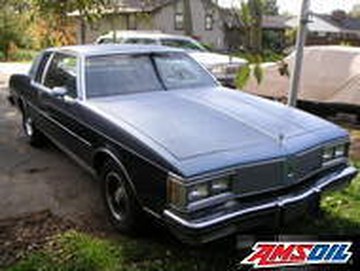
Lubrication Maintenance for the 1982 Oldsmobile 88 5.0L
Maintaining a vehicle from the early 1980s requires a proactive approach to fluid management and mechanical inspection. For an owner of a 1982 Oldsmobile 88 equipped with the 5.0L engine, consistent attention to lubrication is a fundamental aspect of preserving the engine's operational integrity. Because older engines may exhibit different sealing characteristics than modern counterparts, understanding how to monitor and respond to lubrication needs is essential for long-term ownership.
Monitoring Fluid Integrity and Consumption
One of the most effective ways to gauge the health of an engine is through regular observation of its lubricant. Rather than waiting for a warning light or a mechanical symptom, owners should periodically check the level and condition of the oil. Changes in how much oil the engine uses over a specific period can be an important indicator of internal or external changes.
When performing these checks, look for several key indicators:
- Fluid Color and Texture: While oil naturally darkens with use, extremely thick or gritty textures may warrant closer inspection.
- Level Consistency: Regularly checking the dipstick helps establish a baseline of normal consumption for your specific engine.
- External Seepage: Inspecting the area around the engine block and various sealing surfaces can help identify if any fluid is escaping from gaskets or seals.
It is important to note that unusual symptoms, such as a change in how the engine sounds or an unexpected odor, can have multiple underlying causes. If you notice significant changes in oil behavior or consumption, these should be investigated by a professional to determine the exact source.
Practical Inspection of Engine Components
A comprehensive maintenance routine for this Oldsmobile involves more than just changing the oil; it includes a visual survey of the components surrounding the engine. As vehicles age, various materials can undergo changes in flexibility and durability. A systematic inspection can help identify items that may require attention before they lead to more significant issues.
If equipped, inspect accessible drive belts for signs of wear such as cracking, glazing, or fraying. Similarly, if the vehicle is present with rubber hoses, check them for any evidence of hardening, swelling, or surface deterioration. These components are vital for maintaining the engine's operating environment.
Furthermore, inspecting electrical connections and wiring harnesses for signs of corrosion or fraying is a prudent step. Ensuring that all connectors are secure and clean helps prevent intermittent electrical issues that can complicate general maintenance. By combining oil service with these broader visual checks, you create a more complete picture of the vehicle's current condition.
Managing Maintenance Records and History
For long-term owners of a 1982 Oldsmobile 88, documentation is one of the most valuable tools available. Whether you are the original owner or have recently acquired the vehicle, knowing the service history provides a roadmap for future care. If the previous maintenance records are incomplete, your first priority should be to establish a new baseline.
Establishing this baseline involves documenting every oil change, filter replacement, and significant repair. This practice allows you to:
- Identify Patterns: You can track if certain components or fluids require more frequent attention than expected.
- Prioritize Tasks: With a clear history, you can distinguish between routine preventive maintenance and repairs that are necessitated by actual wear or damage.
- Monitor Aging: Records help you see how the vehicle's needs change as it moves through different stages of its service life.
When records are unavailable, treat every service interval as an opportunity to reset your documentation. Note the date, the mileage, and exactly what was performed. This creates a reliable history that can be used to make informed decisions about future repairs and component replacements.
Prioritizing Service Based on Current Condition
As a vehicle ages, owners often face the challenge of deciding which maintenance tasks deserve immediate attention. Rather than following a generic schedule based solely on the age of the car, it is more effective to prioritize service based on the actual, observed condition of the 5.0L engine and its supporting systems.
If you encounter active fluid seepage or notice changes in how the engine operates, these should be addressed before moving on to purely preventive tasks. Addressing an existing issue early can prevent it from escalating into a more complex mechanical problem. Conversely, if the vehicle appears to be in excellent condition with no signs of leakage or wear, your focus can remain on standard interval-based maintenance.
This condition-based approach ensures that your maintenance efforts are directed where they are most needed. It allows for a more efficient use of time and resources, focusing on the specific requirements of your individual vehicle rather than making assumptions based on its model year.
Addressing Aging Seals and Gaskets
In older engines, the materials used in gaskets and seals can become less effective over time due to heat cycles and age. While it is not a certainty that every seal will fail, it is common for aging components to show signs of seepage. This does not always mean a complete failure has occurred, but it does mean the area requires closer monitoring.
When inspecting the engine, look for "wet" areas or dark staining around various junctions. These can be early indicators that a seal is beginning to lose its ability to contain fluids effectively. If you notice minor seepage, it may not require immediate replacement, but it should be added to your regular inspection routine to ensure the situation does not progress to an active leak.
Buying Engine Oil for your 1982 Oldsmobile 88 5.0L
When you are ready to replenish the lubrication in your engine, the most critical step is ensuring the product matches the specific requirements of your application. To ensure proper performance and protection, match the engine oil to the application-specific viscosity information already displayed on this page.
As you shop for lubricants, keep the following practical tips in mind:
- Verify Product Labels: Always double-check that the bottle in your hand matches the viscosity and specifications listed in your vehicle's documentation.
- Consider Formulations: Depending on your engine's current condition, you may encounter various options such as conventional, synthetic blends, or full synthetic oils. Some high-mileage oil formulations contain additives intended for use in aging engines, including seal-conditioning additives that may be beneficial for older seals.
- Check Certifications: Ensure the oil meets the appropriate API service classifications to provide the necessary level of protection and deposit control.
By following the specific guidance provided in the application information on this page, you can select a lubricant that is appropriate for your 1982 Oldsmobile 88 5.0L and support its continued operation.